
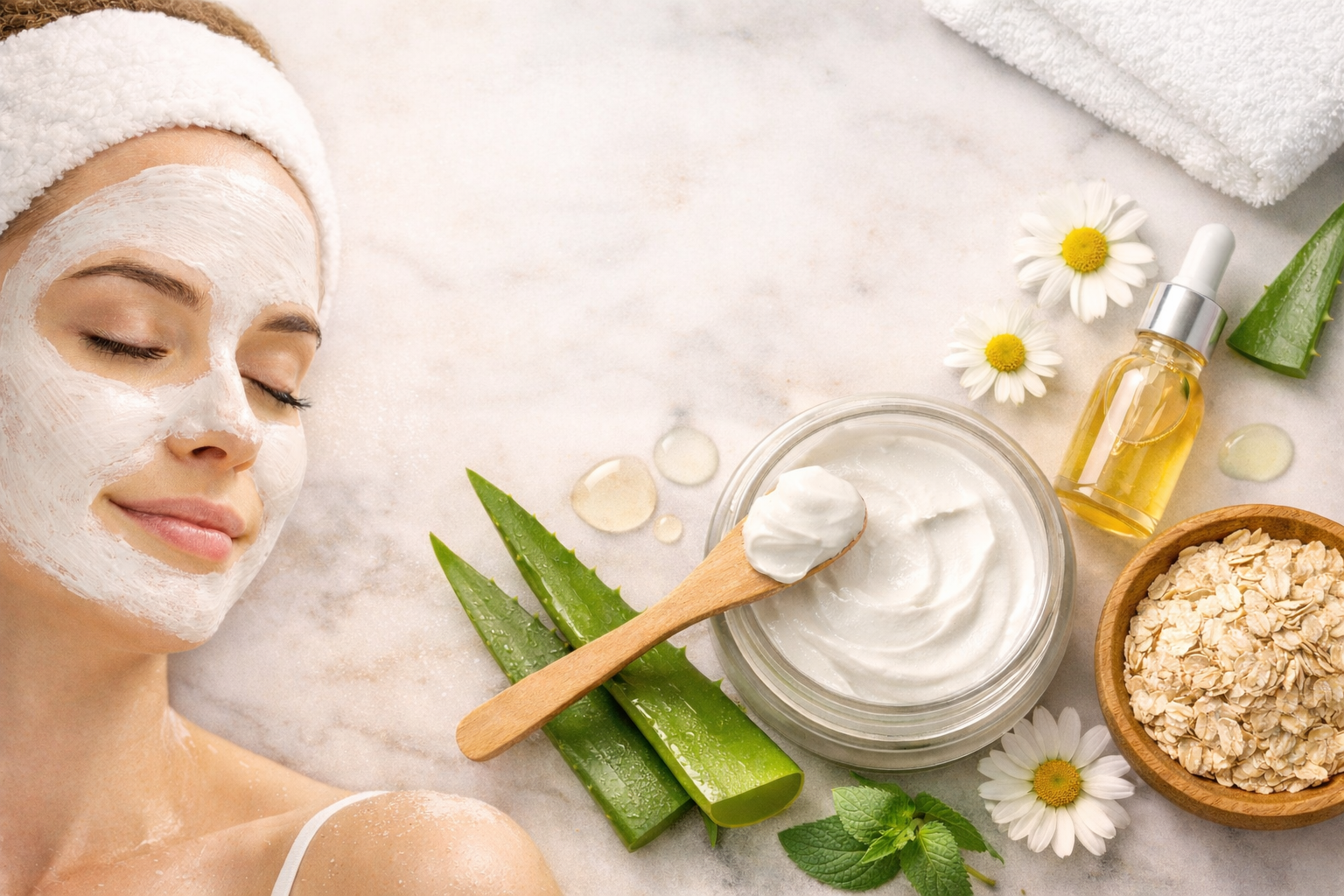
Sensitive skin is no longer a niche concern—it is one of the most searched skin care issues globally, especially among women exposed to climate change, pollution, stress, and aggressive beauty routines. As a professional beauty salon group, we see sensitive skin challenges daily, from first-time facial clients to long-term skincare enthusiasts.
Among all treatment solutions, one stands out for its safety and effectiveness: a face mask for sensitive skin. When professionally selected and correctly applied, it becomes a powerful tool to calm inflammation, repair the skin barrier, and restore natural radiance.
This article explores sensitive skin as a core skin care concern and explains—through professional insight—how face masks play a critical role in both home care routines and salon treatments.
Understanding Sensitive Skin as a Primary Skin Care Concern
Sensitive skin is often misunderstood as a “skin type,” but in reality, it is a skin condition caused by a compromised protective barrier. When the skin barrier weakens, external irritants penetrate more easily, triggering discomfort and visible reactions.
Common Symptoms of Sensitive Skin
- Redness and flushing
- Burning or stinging sensations
- Tightness and dryness
- Itching or inflammation
- Sudden breakouts or rashes
Sensitive skin can affect oily, dry, combination, or mature skin types—making it one of the most complex concerns for both clients and beauty professionals.
Why Sensitive Skin Requires Specialized Care
Unlike other skin concerns, sensitive skin does not tolerate experimentation. One incorrect product or harsh treatment can worsen the condition for weeks. This is why professional salons prioritize calming, repairing, and protective skincare protocols.
A face mask for sensitive skin is often the safest and most effective treatment step because it:
- Delivers targeted soothing ingredients
- Works without aggressive penetration
- Supports barrier repair
- Reduces inflammation immediately
The Role of a Face Mask for Sensitive Skin in Professional Skincare
From an expert perspective, face masks are not an optional luxury—they are corrective treatments. In salon environments, they are strategically used to rebalance the skin after cleansing, exfoliation, or exposure to stressors.
Key Benefits of Using a Face Mask for Sensitive Skin
- Instantly calms redness and irritation
- Rehydrates dehydrated skin layers
- Strengthens the skin’s protective barrier
- Prepares skin for serums and moisturizers
- Enhances overall facial treatment results
In professional salons, sensitive-skin masks are frequently used post-waxing, after advanced facials, or following environmental exposure.
Ingredients That Make a Face Mask Safe for Sensitive Skin
Ingredient selection is the foundation of sensitive skin care. Based on professional treatment standards, the following ingredients are both effective and safe.
Recommended Ingredients
- Aloe Vera: Deeply soothing and anti-inflammatory
- Chamomile: Reduces redness and calms irritation
- Centella Asiatica: Repairs damaged skin barrier
- Oat Extract: Relieves itching and dryness
- Hyaluronic Acid: Provides hydration without clogging
- Panthenol (Vitamin B5): Strengthens and repairs skin
💡 Expert Insight: Professional salon masks use medical-grade formulations with controlled concentrations to avoid over-stimulation.
Ingredients to Avoid in Face Masks for Sensitive Skin
Even premium products can irritate sensitive skin if the formulation is incorrect.
Avoid These Common Triggers
- Artificial fragrance
- High alcohol content
- Strong essential oils
- Harsh exfoliating acids
- Menthol and camphor
At our salons, every sensitive-skin facial begins with a professional skin consultation to eliminate these risks.
Types of Face Masks Best Suited for Sensitive Skin
Different mask formats offer different benefits depending on the sensitivity level.
1. Cream Masks
Ideal for dry and compromised skin. They nourish and protect without stripping moisture.
2. Gel Masks
Best for inflamed or sun-exposed skin. Cooling and instantly calming.
3. Sheet Masks (Sensitive Skin Range)
Effective for hydration and recovery, especially after salon treatments.
4. Professional Repair Masks
Used in salons for rosacea-pronev, post-procedure, or reactive skin.
How Professional Beauty Salons Treat Sensitive Skin Safely
For clients with reactive or delicate skin, professional treatments such as professional sensitive skin facial treatments help calm irritation, repair the skin barrier, and restore long-term skin health under expert care.
A Professional Sensitive Skin Facial Typically Includes:
- Gentle, pH-balanced cleansing
- Enzyme-based exfoliation (no abrasives)
- Calming face mask for sensitive skin
- Barrier-repair serums
- SPF protection
This structured approach ensures results without triggering reactions.
How Often Should You Use a Face Mask for Sensitive Skin?
From a professional standpoint:
- Home use: Once or twice weekly
- Post-treatment care: As advised by your therapist
- During flare-ups: Minimal use with calming formulas only
Overuse can overstimulate sensitive skin, so frequency must be controlled.
Lifestyle Factors That Impact Skin Sensitivity
Even the best face mask cannot compensate for damaging habits.
Professional Recommendations
- Avoid hot water on the face
- Use SPF daily
- Limit product layering
- Reduce stress and improve sleep
- Schedule regular professional facials
Why Professional Guidance Is Essential for Sensitive Skin
Sensitive skin is unpredictable and requires expert evaluation. Professional beauty salons bridge the gap between dermatological knowledge and cosmetic care.
As a trusted beauty salon group, we provide:
- Certified skincare professionals
- Premium sensitive-skin products
- Personalized facial protocols
- Safe, hygienic environments
A professionally recommended face mask for sensitive skin ensures long-term skin health—not temporary relief.
Conclusion: Addressing Skin Care Concerns Starts with the Right Face Mask
Sensitive skin demands precision, patience, and professional care. Selecting the right face mask for sensitive skin—supported by expert consultation—can dramatically improve skin comfort, resilience, and appearance.
Whether incorporated into a home routine or delivered as part of a professional salon facial, a well-formulated face mask is one of the most effective solutions for managing sensitive skin concerns safely and successfully.
Frequently Asked Questions (FAQs)
1. What is the safest face mask for sensitive skin?
A mask with calming ingredients like aloe vera, chamomile, and centella asiatica, free from fragrance and alcohol.
2. Can sensitive skin use face masks regularly?
Yes, but only 1–2 times per week and using formulas designed specifically for sensitive skin.
3. Are salon face masks better than home masks?
Professional salon masks use higher-quality ingredients and are applied based on expert skin analysis.
4. Can face masks reduce redness permanently?
While masks calm redness, long-term improvement requires consistent care and professional guidance.
5. Should sensitive skin avoid exfoliating masks?
Yes. Physical and strong chemical exfoliating masks should be avoided unless professionally recommended.
6. How do I know which face mask is right for my skin?
A professional skin consultation at a beauty salon is the most reliable way to choose correctly.